
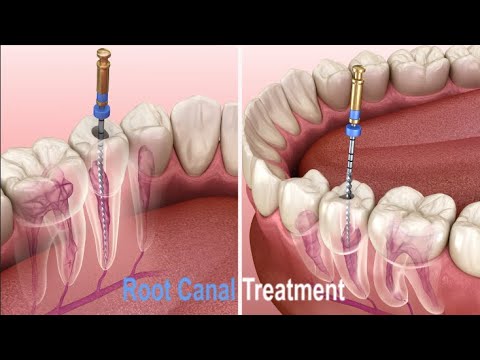
Dental health is a crucial aspect of overall well-being, and sometimes, despite regular brushing and flossing, a tooth may develop severe decay or infection. In such cases, a root canal procedure is often the solution to save the tooth and prevent further complications. Many patients have questions about this treatment, including how long does a root canal take, what the tooth root canal process involves, and what to expect during root canal treatment. This guide will provide a detailed overview of what happens during a root canal procedure and why it is an essential part of modern dentistry.
Understanding the Need for a Root Canal
A root canal procedure becomes necessary when the pulp inside a tooth containing nerves, blood vessels, and connective tissue becomes inflamed or infected. This can result from deep decay, repeated dental procedures, cracks in the tooth, or trauma. If left untreated, the infection can lead to severe pain, abscess formation, and even tooth loss.
The purpose of root canal treatment is to remove the infected or damaged pulp, clean and disinfect the inner canals of the tooth, and then seal them to prevent further infection. By saving the natural tooth, patients can maintain normal chewing function and preserve their smile.
Step by Step Process of Tooth Root Canal
Understanding the tooth root canal process can help reduce anxiety and make patients feel more comfortable during the procedure. Here’s what typically happens during a standard root canal procedure:
1. Initial Examination and Diagnosis
Before starting a root canal treatment, your dentist will conduct a thorough examination, which may include X-rays, to determine the extent of infection and the shape of the tooth’s root canals. This helps the dentist plan the treatment effectively.
2. Anesthesia
To ensure the procedure is painless, local anesthesia is applied to numb the affected tooth and surrounding area. Many patients are pleasantly surprised to find that root canals and this anesthesia make the process no more uncomfortable than getting a regular filling.
3. Tooth Isolation
A dental dam is used to isolate the tooth, keeping it clean and dry during the tooth root canal process. This prevents saliva from contaminating the area and ensures better treatment outcomes.
4. Access Opening
The dentist creates a small opening in the crown of the tooth to access the pulp chamber and root canals. This step allows the removal of infected or damaged pulp.
5. Cleaning and Shaping the Canals
Special instruments are used to carefully clean out the infected pulp from the root canals. The canals are then shaped to allow proper filling. This step is critical for the success of root canal treatment as it removes bacteria and debris from the tooth.
6. Disinfection
The canals are thoroughly disinfected to eliminate any remaining bacteria, reducing the risk of reinfection. Antibacterial solutions are often used during this stage.
7. Filling the Canals
Once the canals are cleaned and disinfected, they are filled with a biocompatible material, usually gutta-percha, to seal the tooth and prevent bacteria from re-entering.
8. Temporary or Permanent Restoration
Depending on the condition of the tooth, a temporary filling may be placed, or a permanent restoration, such as a crown, may be recommended. Crowns are particularly important for teeth that endure heavy chewing forces to protect them after root canal treatment.
How Long Does a Root Canal Take?
One of the most common questions patients ask is, how long does a root canal take. The duration of a root canal procedure depends on several factors, including the number of canals in the tooth, the complexity of the infection, and whether the tooth requires multiple visits.
- Single-visit root canal treatment: Some uncomplicated cases can be completed in a single appointment, typically lasting 60 to 90 minutes.
- Multiple-visit treatment: In more complex cases, treatment may require 2–3 appointments, each lasting 60–90 minutes.
Modern techniques and tools have significantly reduced the time needed for root canal treatment, making the procedure more efficient and comfortable for patients.
Post-Procedure Care
After a root canal procedure, some patients may experience mild discomfort or sensitivity for a few days, which can usually be managed with over-the-counter pain medications. Maintaining excellent oral hygiene and following your dentist’s instructions is essential to ensure proper healing.
Regular follow-ups are recommended to monitor the treated tooth and ensure that the infection has been fully eliminated. With proper care, a tooth that has undergone root canal treatment can last a lifetime.
Common Misconceptions About Root Canals
Despite advances in dental technology, root canals and this treatment often have a reputation for being painful. In reality, the procedure is designed to relieve pain caused by infection, not cause it. With modern anesthesia and techniques, most patients report that root canal treatment is comparable to having a standard filling.
Another misconception is that extracted teeth are a better alternative. However, removing a tooth can lead to alignment issues, bone loss, and difficulty chewing. Preserving the natural tooth through a root canal procedure is generally the best option.
Benefits of Root Canal Treatment
The advantages of undergoing a root canal procedure include:
- Relief from severe tooth pain caused by infection.
- Preservation of the natural tooth.
- Prevention of further dental complications.
- Improved oral health and functionality.
- Cost-effectiveness compared to tooth extraction and replacement.
Choosing the Right Dental Clinic
To ensure the best results, it is crucial to choose a reputable clinic for your root canal treatment. Look for a dental clinic that employs experienced professionals, modern equipment, and adheres to strict hygiene protocols.
For residents of Lahore, Pakistan, visiting the best dental clinic in Lahore ensures access to high-quality care, patient comfort, and successful outcomes for procedures like root canals and this.
Conclusion
A root canal procedure is a safe, effective, and essential dental treatment for saving infected or damaged teeth. By understanding the tooth root canal process, patients can alleviate their fears and make informed decisions about their oral health. Knowing how long does a root canal take and what to expect during root canal treatment helps patients prepare for a smooth experience.