
Oral health is more than just having white teeth and fresh breath. Healthy gums play a vital role in maintaining your overall dental health. One of the most common yet often ignored oral conditions is gum disease. Many people do not realize they have it until it becomes painful or severe.
In this guide, we will explain what gum disease is, gum disease symptoms, types of gum disease, and the best gum disease treatment options available. If you are looking for the best dental clinic in Lahore, this article will also help you understand what to look for in professional care.
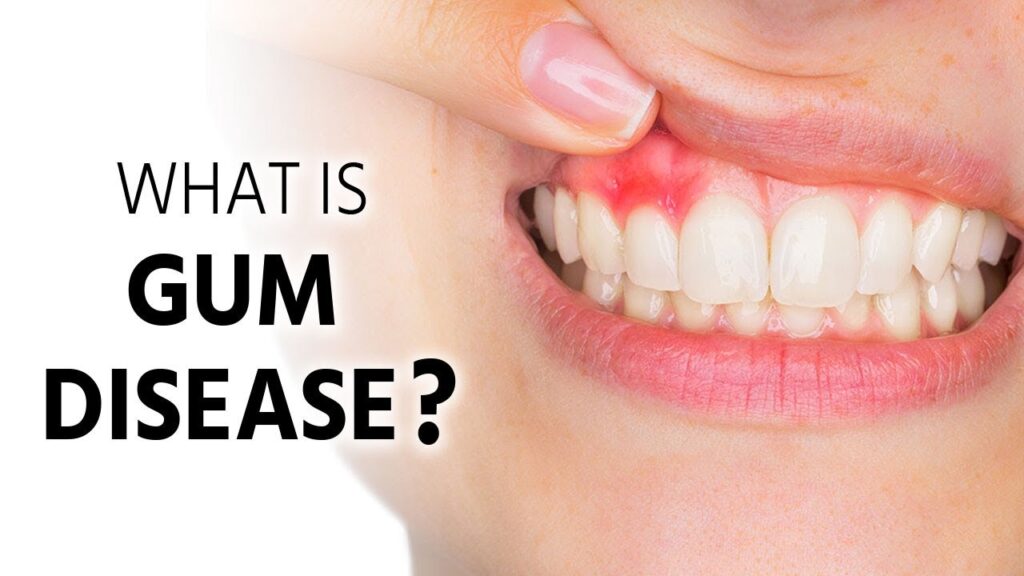
What is Gum Disease?
Gum disease, also known as periodontal disease, is an infection of the tissues that support your teeth. It usually begins with plaque — a sticky film of bacteria that forms on teeth due to poor oral hygiene. If plaque is not removed through brushing and flossing, it hardens into tartar, leading to inflammation and infection.
Gum disease affects the gums, ligaments, and even the bone that holds your teeth in place. If left untreated, it can cause tooth loss and other serious health complications.
Common Gum Disease Symptoms
Recognizing gum disease symptoms early can prevent long-term damage. Many people ignore the warning signs until the condition becomes advanced.
Here are the most common symptoms:
- Red, swollen, or tender gums
- Bleeding while brushing or flossing
- Persistent bad breath
- Receding gums
- Loose teeth
- Pain while chewing
- Pus between teeth and gums
If you notice any of these gum disease symptoms, it is important to seek professional dental care immediately.
Types of Gum Disease
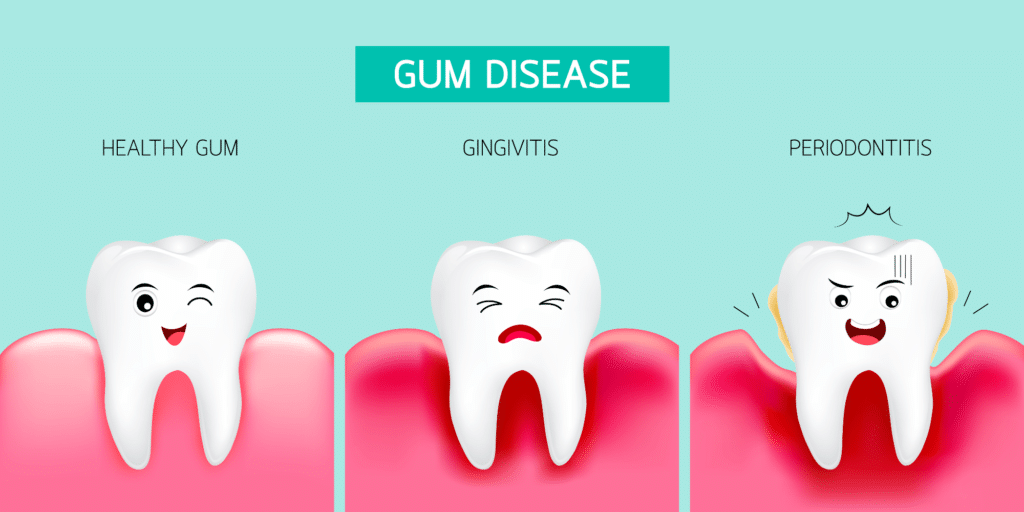
Understanding the types of gum disease helps in choosing the right gum disease treatment.
1. Gingivitis
Gingivitis is the mildest form of gum disease. It causes redness, swelling, and bleeding of the gums. At this stage, there is no permanent damage to the bone or tissue.
The good news? Gingivitis is completely reversible with proper oral hygiene and professional dental cleaning.
2. Periodontitis
If gingivitis is left untreated, it can progress into periodontitis. This is a more serious form of gum disease where the inner layer of the gum pulls away from the teeth, forming pockets that become infected.
Over time, the infection can destroy bone and connective tissue, leading to tooth mobility or loss.
3. Advanced Periodontitis
This is the most severe stage. The supporting bone and fibers holding teeth in place are destroyed. Teeth may shift, become loose, or fall out. Immediate and advanced gum disease treatment is necessary at this stage.
Causes of Gum Disease
Several factors increase the risk of developing gum disease:
- Poor oral hygiene
- Smoking or tobacco use
- Diabetes
- Hormonal changes (pregnancy, menopause)
- Genetic factors
- Certain medications
- Stress
Maintaining regular dental checkups can significantly reduce the risk of gum disease.
Gum Disease Treatment Options
The right gum disease treatment depends on the severity of the condition. Early detection makes treatment easier and more affordable.
1. Professional Dental Cleaning
For mild gingivitis, professional scaling and polishing remove plaque and tartar buildup. This is often enough to restore healthy gums.
2. Scaling and Root Planing
This deep cleaning procedure removes bacteria from below the gum line and smooths the tooth roots to prevent further plaque buildup. It is one of the most common gum disease treatments for early periodontitis.
3. Medications
Dentists may prescribe antibiotic gels, mouth rinses, or oral antibiotics to control infection.
4. Surgical Treatments
In advanced cases, surgical procedures like flap surgery or bone grafting may be required to restore damaged tissue and bone.
Modern dental clinics in Lahore now offer painless and minimally invasive gum disease treatment using advanced technology.
Why Early Gum Disease Treatment Is Important
Ignoring gum disease can lead to:
- Tooth loss
- Bone damage
- Chronic bad breath
- Increased risk of heart disease
- Complications in diabetes
Research shows that oral health is directly linked to overall health. Seeking timely gum disease treatment protects not just your smile, but your general well-being.
How to Prevent Gum Disease
Prevention is always better than cure. Follow these simple steps:
- Brush twice daily with fluoride toothpaste
- Floss regularly
- Use antibacterial mouthwash
- Avoid smoking
- Eat a balanced diet
- Visit your dentist every 6 months
Routine dental checkups allow early detection of gum disease symptoms before they become serious.
When Should You Visit a Dentist?
Many people wait until they feel pain. However, gum disease can progress silently without severe discomfort in the early stages.
You should visit a dentist if you notice:
- Bleeding gums
- Swelling or redness
- Persistent bad breath
- Gum recession
Early intervention makes gum disease treatment simpler, faster, and more affordable.
Conclusion
Gum disease is a common but preventable condition. Understanding what gum disease is, recognizing gum disease symptoms, and knowing the types of gum disease can help you take early action.
Whether it is mild gingivitis or advanced periodontitis, timely gum disease treatment can save your teeth and protect your overall health.
If you are in Pakistan and searching for the best dental clinic in Lahore, make sure to choose a trusted clinic with experienced dentists and modern treatment facilities. Your gums are the foundation of your smile taking care of them today ensures a healthier tomorrow.